6 Sept 2013

Customer centric and personalised experiences will drive the next level of growth for operators in the Middle East


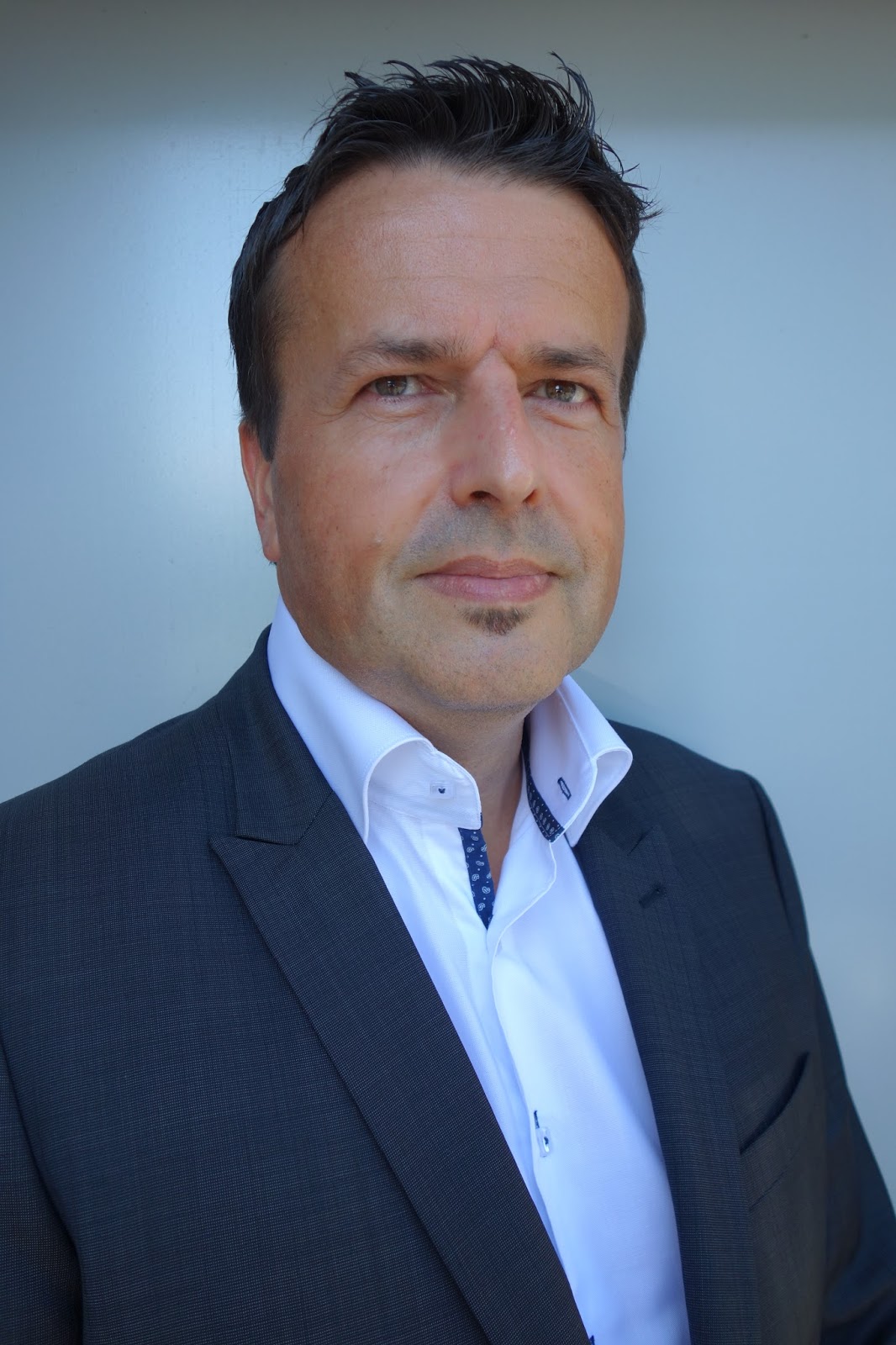
Written by Yves Kammerer,
Business Development Director,
Lumata
 
Research shows that in developed markets, the revenue mix is changing in line with the evolution of consumer behaviour, and the greatest growth opportunity will come from mobile handset data. Industry drivers such as competition, deregulation, and technology advances are forcing telecommunications companies to reorganise around their customers, expand markets, and upgrade infrastructure.

For emerging markets, telecoms operators will continue to benefit from the growth of mobile penetration and rising GDP per capita that will increase telecoms service spending. Improved mobile connectivity will also stimulate usage of data services, but mobile voice will remain predominant (45% share of total retail revenue in 2017) because fixed infrastructure will continue to be poor.

Room for data revenue growth does exist within emerging markets as a result of there being a high number of un-served customers representing an untapped opportunity and with a significant appetite for mobile data. What is interesting is how this trend is manifesting itself in the Middle East. The mobile telecoms market in the Middle East continues to show signs of growth and in particular the increased use of smartphones and mobile broadband.

According to data from GSMA, overall annual growth in mobile broadband connections in the region fell from 101% in 2011 to 61% in 2012, but levels of mobile broadband penetration (as a percentage of total connections) in some Middle Eastern countries are now eclipsing their Western counterparts.

Furthermore, the region now has 17 LTE networks spread across eight countries, which provides tremendous growth opportunities for those operators that can capitalize on being 4G ready and equipped to serve their consumers (I will come back to this in my next blog).

Turkey was cited as ‘the most advanced market in the region’, where mobile broadband networks account for 59%, United Arab Emirates (55%) and Saudi Arabia (54%). In contrast, the average for Southern Europe stands at just 45%, while Western Europe has about half its connections on mobile broadband networks and in Northern Europe around three in five connections are mobile broadband.

One identified game changer for operators in the Middle East has to be to focus on the customer experience. You would assume that in order to maximise your market share and dominate the competition the logical starting point would be to ensure a consistently positive experience for your customers. But with market conditions as complex as they are in the Middle East, this is harder than you think to navigate.

Senior Telecom Analyst Hasan Sandila, IDC Middle East, Africa, and Turkey, stresses that because operators in the Middle East are finding it hard to differentiate their offerings from one another they are likely to focus on innovation and market diversification (and areas not core to their business). We believe that putting customer experience management at the heart of this innovation and diversification is also crucial to future successes.

Gartner sums up customer experience management pretty well in their definition: “the practice of designing and reacting to customer interactions to meet or exceed customer expectations and, thus, increase customer satisfaction, loyalty and advocacy.”

A good example of early signs of this in the Middle East region, again highlighted by GSMA is from Turk Telecom. On its Q1 2013 Investor Call, the operator’s Chief Marketing Officer Dehsan Erturk stated that “…mobile data revenue is the backbone of our revenue growth. Data revenue now constitutes 14% of total service revenues with a (traffic) growth of 55% on year-over-year basis thanks to smartphone campaigns and unique internet packages, addressing different customer segment users, various device types and data bundles.”

The operator ran 40 separate smartphone marketing campaigns during 2012 and had 12 smartphones in its portfolio that were exclusive to Avea, including its own-branded Android handset, the ‘inTouch’. As a result Avea has the highest level of smartphone penetration in the country with 27% in Q1 2013. On the back of this, data revenue increased by some 79% annually to hit $348 million in FY2012-13.

This example clearly demonstrates the beauty of Customer Experience Management. In this case, segmentation of the customer base coupled with smart campaign management and a high level of personalisation enabled Avea to successfully target their customers and increase data usage and revenue.

Another way of enhancing this Customer Experience Management is through incorporating Proactive Data Quality Initiatives which provide compensation to smartphone owners and heavy data users when they experience a bad quality of service or connection lapses while using data services. Instead, subscribers may receive extra call time or data back for free. From our experience, this isn’t a new concept but a very simple and often forgotten way to acknowledge a problem and enlist brand loyalty from your customers (instead of causing frustration).

At Lumata, we have also seen how innovative loyalty programmes which incorporate gamification and social media elements truly engage subscribers and drive customer loyalty but at the same time need to be easy to run and manage by the operator.

To conclude, Customer Experience Management combined with Proactive Data Quality Initiatives that also integrate customer loyalty programmes is an incredibly compelling way to attract and retain customers as well as grow revenue. Due to the complex and competitive market nuisances, this is an area which operators in the Middle East should pay particular attention to if they want to lead the charge.

Meet Lumata (Proud sponsor) at Middle East Com, 23-24 September at Sofitel Dubai, The Palm Resort. Visit www.comworldseries.com/me 


5 Sept 2013

Speaker Interview with Andrew McHenry

For the second year AfricaCom partners with Mobile Monday, the networking group for digital professionals. The South African team has been putting together great events and networking forums for the digital community in the region. Here we catch up with one of its founders, Andrew McHenry, who tells us more about MoMo’s activities in South Africa and at AfricaCom.

Andrew McHenry is a co-founder of Mobile Monday
Andrew McHenry is a founder of Mobile Monday
Tell us a bit about Mobile Monday in South Africa: what are your activities, who can participate, what are you trying to achieve?
MoMo SA, www.mobilemonday.org.za now in its 5th year has been growing from strength to strength with our events experiencing very encouraging growth in attendance, this coupled with a diverse cross section of industries ranging from start-ups to large corporates, brands, device vendors, mobile operators and mobile developers.
- Why are Mobile Monday and AfricaCom a good match?
MoMo’s partnership with AfricaCom is a perfect alignment across the mobile sectors at all levels within the Mobile ecosystem. With MoMo’s participation we believe we serve both AfricaCom’s and MoMo communities at large
- What can we expect from the Mobile Monday evening event in AfricaCom week (11th November)?
The culmination of MoMo’s yearend function ties in perfectly on Monday 11th November the eve prior to AfricaCom’s kick-off on Tuesday the 12th. To be hosted at a spectacular venue, Shimmy Beach Club www.shimmybeachclub.co.za encapsulating Cape Town’s atmosphere. With amazing live bands lined up to entertain our patrons, creating a perfect setting to celebrate another great year for MoMo SA. Oh and a few words from one of SA’s top leader and world innovator!
- You will be running a session at AfricApps. What is it about?
MoMo’s 2nd year participating in and chairing the AfricaApp session building on last years, with great topics on the agenda we anticipate stimulating and valuable contributions to be delivered and trust all who participate to walk away having gain insights.
- What makes Africa’s digital market exciting? What major trends should we expect to discuss at AfricaCom and which companies should we look out for?
I see MVNO’s + airtime price wars + MOBILE TV + Data growth + OTT + Mobile payments!
- Do you have any tips on how to make the most of AfricaCom?
To extract the most from your time at AfricaCom review the agenda’s and have a strategy to attend the sessions you have on your lists. Do allot time to walk through the exhibition area, there’s always a few pearls tucked away somewhere in the halls’ mingle, socialize, bring loads of business cards and if you haven’t been at a few parties you haven’t done AfricaCome or Cape Town!

For your chance to meet Andrew McHenry at AfricaCom register for your conference pass today, or get a free exhibition pass here

4 Sept 2013

Walid Driss, Facebook: "In many cases Facebook accounts for 30% of the operator's data revenues"

Middle East Com 
23rd-24th September 2013 
Sofitel Dubai, The Palm Resort, UAE 

Middle East Com is taking place in just 3 weeks' time. Don't forget to register to attend the leading Middle Eastern event for the Telecoms, Media and ICT industry. 

--------------------------------------------------

Walid Driss is the Client Partner at Facebook 
The Middle East Com team caught up with Walid Driss ahead of the Middle East Com Conference and Exhibition, taking place at the Sofitel Dubai in UAE - 23-24 September to find out a bit more about his experiences and focus at the event.

Read the full interview HERE 
http://me.comworldseries.com/speaker-interview-with-walid-driss/ 

-------------------------------------------------

Middle East Com: Facebook has now entered into partnership with several operators both regionally and globally. How are the operators benefitting from these partnerships and what are the key drivers for joining forces?
 
Walid Driss: "Operators are benefiting from the partnerships with Facebook in two ways. The first way in which operators are benefiting is the integration and bundling of Facebook services. Facebook is the most used service in virtually all the markets, making it a strategic driver for demand for operators. The second way, in which the operators are benefiting, is connecting and engaging with their customer base in an efficient way."
 
Read the full interview HERE 
http://me.comworldseries.com/speaker-interview-with-walid-driss/ 

-------------------------------------------------

Middle East Com: Are you struggling to forge agreements with some operators who still see Facebook as a threat?

Walid Driss: "Facebook is a strong partner for operators. Apart from driving customer acquisition and preventing churn through increased loyalty, in many cases Facebook accounts for 30% of the operator's data revenues. Operators know this and we are working very enthusiastically with the operators. However, we are facing challenges with operators having difficulties in trading off short term revenues for long term benefits, or not being bold enough in experimenting new approaches."

Read the full interview HERE 
http://me.comworldseries.com/speaker-interview-with-walid-driss/ 

--------------------------------------------------

Middle East Com: What is the future for Operator/OTT relations?
 
Walid Driss: "The operators have been facing disruptions and pressures for a long time now, and the OTT pressure has been the most discussed headache for operators in the recent times. But operators have always proved to be resilient, simply because they are fulfilling an underlying need that is at the heart of their undisputed core business: connectivity."
 
Read the full interview HERE 
http://me.comworldseries.com/speaker-interview-with-walid-driss/ 
--------------------------------------------------

Find out more at Middle East Com. Walid Driss will be speaking on Day 1 at 10:45 on “The Power of Partnerships: Maximising Opportunities and Minimising Threats”. 

Meet Walid Driss by registering using one of the options below: 

- Apply for a Free* operator pass here
http://me.comworldseries.com/free-passes/ (*conditions apply)

- Purchase your conference ticket here
https://commerce.informatm.com/events/I7EEX.html

- Register for a FREE Exhibition Pass here
http://me.comworldseries.com/free-exhibition-only-ticket-2013/

Kind Regards

The Middle East Com Team
Visit our website: http://me.comworldseries.com/

Middle East Com is Sponsored by: 

Mahindra Comviva, Altran, Comverse, Ericsson, Comza, Tellabs, BICS, EMC and Lumata


2 Sept 2013

Meet Timeline Global Telecom Solutions at AfricaCom


Timeline Global Telecom Solutions BV is exhibiting at AfricaCom taking place on 12-14 November 2013 in Cape Town, South Africa

Peter Booth is the Managing Director of Timeline Global Telecom Solutions BV with more than 25 years international experience in the telecom industry.

Reused Telecoms Equipment
The Telecoms Equipment Reuse Market is a well-established industry that has been in operation for more than 40 years. The trade of Reused telecoms equipment is freely active between OEM’s, End Operators, Service Companies and Trading Companies and has increased with the multivendor service offerings.

There are some basic principles to be considered in the trading of Telecoms equipment which include Hardware, Application Software & Licensing, Trade Restrictions and Title of the equipment.

Hardware is the physical unit and can include micro chipsets of varying complexity, where these microchips set have embedded programing (Firmware) set at the time of manufacture and is not user accessible, configurable or replaceable as per any other hardware item at component level. This renders the Firmware an integral part of the physical unit in which it cannot be added too, changed or removed without physical intervention at component level, unlike the Application Software which is system loadable and configurable.
A change at component level, including firmware would be to modify the specifications of the original unit, thus impacting original Part number and revision designated to the unit. If this was required, it can only be done under agreement with the OEM, otherwise it is a breach of their IPR as per any software licensing breach.

Used / Reused Hardware is sold between parties excluding any software licensing, where the purchasing party commits to indemnifying the selling party of any claims related to licensing breaches for the future use of the Hardware.

This is not limited to Telecoms equipment but all devices and products that we encounter in our daily lives.

The Application Software is a user loadable and configurable package that has a particular market and user features / functionalities. The Application Software is loaded and stored on a media device (e.g. Hard disk) in the central system and is downloaded to network nodes while they are powered and connected to the network. If a new Node or module is connected to the network, it will need to be downloaded and configured with current core Application Software (typically automatically) for the node to operate within the network. E.g. a Used Base Station is moved from one network to a new network, the Base Station Application Software is downloaded from the central BSC upon commissioning.

Application Software is governed by an End User Agreement / License from the OEM that is normally part of the Frame Supply Agreement. The Application Software typically sold on system and/or capacity basis known as the “Right To Use” (RTU) License (e.g. RTU per 1000 subscribers or RTU per Transceiver). It is therefore the responsibility of the End User to ensure they have the required OEM Application Software Licenses / RTU.

The Application Software / RTU is not a product that is traded within the Reused Telecom equipment market. This is taken into consideration when an offer is made for the Hardware only sale / purchase of the reused equipment.

The OEM traditionally has placed commercial restrictions on Application Software by licensing it to a single End Network but with the advent of large Group Companies owning multiple networks, the Group companies now included in the Frame supply contracts the Right to transfer the Application SW / RTU to another Group company where the group company has control and can maintain the license usage conditions. The trend is for Group Companies to make it mandatory for OEM’s to allow internal Transfer of Application SW, including previously purchased Licenses or be excluded from new supply opportunities, use the Operators purchasing power to break the OEM’s commercial model.

New or additional Licensing is only needed for Hardware where the existing license limit is reached. Thus for the case of Spare Parts Replacement / Exchange or Repair Avoidance (largest reuse activity), no additional license is needed for the hardware when one unit is replaced by another regardless of its source.

Trade Restrictions due to governmental or UN sanctions need to be adhered too per product type, country of origin and financial payment process regardless of another OEM commercial agreements or License arrangements. Though broad restrictions can be in place for some countries, these do not always include basic telecoms equipment and each situation should be reviewed on a case by case basis.

Equipment Title is an import issue to clarify prior to any sale / purchase of equipment. This should not be mixed with licensing obligations or restrictions as these are to separate legal matters.
The Selling party needs to ensure that they have the full legal tile to the goods and that here is no other financial obligations restricting them from disposing of the asset.
  • ·         Does the seller have the full legal tile to the equipment?
  • ·         Are all loans or other payment obligations relating to the equipment meet?
  • ·         Are all Tax related matters settled (e.g. import duty exemption but payable if re-exported)

In a network upgrade or swap out, it can be that the operator signed as part of the commercial agreement that the OEM, that the OEM takes the responsibility to de-install the equipment and return it to a central warehouse (recommended that the installation party is responsible for the physical de-install & return of equipment to a central location). In such chases it can be that the commercial agreement can included that the OEM takes tile of the equipment (buy back or trade-in discount). The operator needs to ensure that they understand such arrangements for managing the removal of the asset from their own balance sheet, the adjustment in book value and that the asset is no longer available to sell gaining additional cash return.

Recycling – In the event that equipment is recycled, then there is no reuse of the equipment and as such no on-going Application Software licensing requirement.


 Find out more: meet Timeline Global Telecom Solutions BV at AfricaCom, visit Stand P4. Visit the website: http://www.timelinegts.com/


15 Aug 2013

Wolfgang Petersen, Intel: "Operators should cooperate with manufacturers to establish products demanded by consumers"

Wolfgang Petersen
Hear from Wolfgang Petersen, Director of Developer Relation Division (DRD) for Europe, Middle East and Africa (EMEA) at Intel.

AfricaCom team caught up with Wolfgang Petersen ahead of the AfricaCom Conference and Exhibition, taking place at the CTICC in Cape Town, South Africa - 12-14 November to find out a bit more about his experiences and focus at the event.


AfricaCom: How is Intel positioned in the African market?
Wolfgang Petersen: Africa has entered a high economic growth path. It reminds me of China 10-15 years ago. Intel’s vision is: This decade we will create and extend computing technology to connect and enrich the lives of every person on earth. With this in mind Intel will keep on investing into Africa to make the vision become reality.

AfricaCom: What strategies should operators put in place to maximise profitability in Africa ?
Wolfgang Petersen: Operators should cooperate with hardware and software manufacturers to establish products and services demanded by consumers and businesses. They must establish the infrastructure to allow everybody to access information to avoid a digital divide. 

AfricaCom:  How is the demand for data impacting operators' networks and how can they address it most efficiently?
Wolfgang Petersen: Data centre hardware (Server, storage, networks) need to be in place to ensure the accessibility of information and to provide space and computing performance for the masses. Wireless networks are mandatory to reach out to rural areas.

AfricaCom:  What will have the biggest impact on the African telecoms market in the future?
Wolfgang Petersen: Education will play a very crucial role. Quality of education for everybody is essential to move Africa to the next level.

AfricaCom:  How does Intel work with app developers? How different is the African developers ecosystem from other regions?
Wolfgang Petersen: African developers are focusing on mobile apps. The smartphone is the first computing device people hold in their hands.  This is very different from mature markets where the PC is the first computing device. The African developer ecosystem is much younger than anywhere else in the world and therefore they are not encumbered by history.

AfricaCom:  What is the main message you would like to address to African operators, developers and their partners?
Wolfgang Petersen: Develop products, solutions and services for Africa. Do not try to copy what is available outside of Africa.

AfricaCom:  What do want to achieve at AfricaCom this year?
Wolfgang Petersen: To enable and encourage developers to focus on their strength and to come up with wonderful products from Africa for Africa.

Join Wolfgang Petersen at AfricaCom. Register Now - See below!


Click here for your Free Exhibition ticket 

Click here to apply for your Free Conference pass (If you qualify - See below)
Or purchase your Conference pass here

 Find out if you qualify for a Free Conference pass HERE

14 Aug 2013

Looking out for consumers' rights and needs, meet CEON at NigeriaCom

Chukwuyere Izuogu is the Legal Counsel – Telecommunications Sector for CEON


The Com World Series team caught up with Chukwuyere ahead of the NigeriaCom conference and exhibition, taking place at the Lagos Oriental Hotel, Lagos, Nigeria, 17-18 September to find out a bit more about his experiences and focus at the event


Com World Series: How is your company positioned in Nigeria and what are its future objectives?

Consumers Empowerment Organisation of Nigeria (CEON) is a research-based advocacy Non-Governmental and Not-Profit making Consumer Advocacy Group established in 1995 to strengthen Consumer Protection and Competition Regimes in Nigeria.
 For over 15 years, CEON has been carrying-out activities in its two core areas (Consumer Protection and Monitoring Anti-competitive Practices) in Nigeria through Research, Advocacy, Awareness Raising, Networking and Collaboration with the relevant stakeholders and Government Agencies. CEON currently enjoys good working relationship with select Federal Government Agencies like the Nigerian Communications Commission (NCC), Consumer Protection Council (CPC) and Federal Ministry of Trade & Investment (FMT&I). CEON also have good visibility among International Donor Agencies like: DFID; IDRC Canada; ECOWAS Commission, Abuja; Ministry of Foreign Affairs Canada; DFID-ENABLE Nigeria, DFID-GEMS3 Nigeria among other donor agencies.
 Apart from our working collaboration with relevant local stakeholders and select Federal Government Agencies, CEON is also affiliated and a member of some select International Consumer Protection and Competition bodies like:UNCTAD Research Partnership Platform on Competition Law and Consumer Protection Policies (UNCTAD-RPP);  Consumers International (CI) The global campaigning voice for consumers with over 220 member organisations in 115 countriesAfrican Consumer Protection Dialogue (the `African Dialogue) – an effort on behalf of African Government, NGOs, and the U.S. Federal trade Commission to create informal opportunities to interface with each other, the U.S. and the rest of the world on consumer protection issuesInternational Network of Civil Society Organisations on Competition (INCSOC) – A Coalition of 135 members from 61 Countries promoting a Healthy Competition Culture around the WorldNetwork for Accountability of Tobacco Transnationals (NATT) - A Network of 98 Organisations from more than 50 countries in the World advocating a tough, enforceable Framework Convention on Tobacco Control (FCTC) and End Water Poverty – An international civil society coalition that campaigns to end the global water and sanitation crisis. The coalition has over 180 member organizations in 45 countries across Africa, Asia, Europe and North America.


Com World Series: What do you think are the top 3 major trends that are affecting your business in the region in 2013?

The voice market appears to be nearing saturation in Nigeria, hence interest in data is on the increase. Several international submarine cables have landed in Nigeria, though middle-mile and last-mile connectivity remains a challenge for consumers to benefit from the untapped bandwidth.  


Com World Series: What are the remaining challenges in terms of connectivity and quality of services in the region and which technologies are most likely to resolve these issues?

In the opinion of CEON, connectivity and quality of telecommunications services can be improved by mandating infrastructure sharing amongst licensees under the Communications Act. To this end, NCC should by rulemaking impose specific obligations on all licensees providing communications services to enter into infrastructure sharing agreements with competing licensees. This in CEON’s opinion will lower barriers to entry, facilitate network deployment and promote competition in the market for telecommunications services.
 Also and most importantly, infrastructure sharing impacts positively on consumer welfare as the resultant savings may be passed on to consumers in the form of improved quality of service and decreasing prices consistent with the core object of CEON.


Com World Series: How are smartphones/tablets and cloud services impacting mobile/internet service providers in Nigeria?

Cloud services is still a still a new phenomenon in Nigeria. With respect to smart phones and tablets, access to the internet has greatly improved and consumers now have a range of various mobile content/apps to choose from, as it is no surprise that mobile devices are now the primary means of accessing the internet in Nigeria.


Com World Series: In your opinion, which companies are spearheading innovation in the region and what can be learnt from them?

In our own opinion, we would say all the GSM service providers are trying hard to provide innovative service offerings to their various subscribers, however we beg of NCC to pay more regulatory attention by encouraging investment in the mobile content service providers using short code space as recent research from news media suggest the potential of the mobile content space to generate revenue in excess to $11.5 Billion by 2014 and also, innovation in mobile content services is likely to promote increased consumption of mobile content which drives mobile content service providers to invest in more innovation thus creating a demand driven “virtuous circle” of innovation and investment consistent with the object of the Communications Act.


Com World Series: Who are you most looking forward to meeting/hearing from and what do you hope to achieve from taking part in NigeriaCom?

We intend meet with the regulator (NCC) and industry participants to achieve more visibility in our work as a consumer advocacy group. 

Airtel's head of regulatory affairs and special projects provides insight into the Nigerian market

Osondu Nwokoro is the Director of Regulatory Affairs and Special Projects at Airtel Nigeria


Osondu Nwokoro is the Director of Regulatory Affairs and Special Projects at Airtel Nigeria.

The Com World Series team caught up with Osondu ahead of the NigeriaCom conference and exhibition, taking place at the Lagos Oriental Hotel, Lagos, Nigeria, 17-18 September to find out a bit more about his experiences and focus at the event. 


Com World Series: How is your company positioned in Nigeria and what are its future objectives?

Osondu Nwokoro: Airtel Nigeria is a subsidiary of Bharti Airtel, India, the third largest mobile telecoms company in the world that has presence in 21 countries across Asia and Africa. Airtel draws from this global experience to run its operations in Nigeria. Basically, we are positioned by coverage, quality and innovative products offered at competitive rates as distinguishing features for our operations in Nigeria.
Airtel’s future objective is to become the most loved brand in the daily lives of Nigerians. Airtel has deployed the most extensive 3G network coverage across Nigeria, pursuant to our goal of becoming the leader in the mobile broadband segment of the industry . We are very pleased to say that this target is being achieved as a Study by the Nigerian Communications Commission (NCC) shows that Airtel recorded the highest percentage growth of 92% in data segment within the period June 2012 to March 2013.


Com World Series: What do you think are the top 3 major trends that are affecting your business in the region in 2013?

Osondu Nwokoro: The Nigerian market currently has the largest number of blackberry subscriptions in the world and this is expected to impact positively on data usage, which is projected to be a major driver for the industry in 2013 and beyond. The number of internet users in the country is put at below 50million with penetration rate of 28.6% (as of March 2013), which represents very huge untapped market potential for the industry. The three trends that will facilitate data uptake are the ongoing extensive 3G infrastructure roll out, the country’s large youthful population which stands at over 65% and the increasing number of smartphones in the industry.


Com World Series: What are the remaining challenges in terms of connectivity and quality of services in the region and which technologies are most likely to resolve these issues?

Osondu Nwokoro: The absence of reliable electricity power supply and high cost of obtaining Right of Way (RoW) Approvals for deployment of transmission infrastructure (fibre optic cables) have adversely impacted on the delivery of optimal service to subscribers. Wireless Operators are deploying hybrid power solutions to work around the challenge, in order to deepen telecoms penetration and the realisation of broadband aspirations in Nigeria.
Osondu Nwokoro: Beyond the role being played by Operators, Government is invited to implement the Power Reform Plan aimed at improving power generation and distribution, and support industrial growth and development of the country. Also, Government at the Federal and State levels are encouraged to institute a mechanism to ensure expedited RoW approvals and adoption of administrative fees regime, so as to support the deployment of robust transmission infrastructure for broadband development in the industry.


Com World Series: How are smartphones/tablets and cloud services impacting mobile/internet service providers in Nigeria?

Osondu Nwokoro: Prior to the advent of Smartphones, internet access was mainly restricted to cybercafés and this use resulted in Nigeria having very low internet access and users. According to the NCC, increased smartphone use has enhanced the number of internet access/users which stood at 32.5mM as at March 2013. To facilitate this development, Airtel has entered into collaboration with Techno to offer smartphones at N12,000 each (USD80 equivalent), and this initiative has impacted positively on the number of mobile/internet services users on our network. Cloud services is still at its infancy in Nigeria and significant growth is expected in this segment within the next few years.


Com World Series: In your opinion, which companies are spearheading innovation in the region and what can be learnt from them?

Osondu Nwokoro: A number of companies have spearheaded innovation across different segments of the industry and Airtel is a trail blazer in product innovation in response to subscribers needs. A typical example, Airtel’s One-Network “one of a kind” which eliminates roaming charges for subscribers who are travelling to any country where Airtel is operating. Constant reference to subscribers to find out their needs is the key here.


Com World Series: Who are you most looking forward to meeting/hearing from and what do you hope to achieve from taking part in NigeriaCom?

Osondu Nwokoro: NigeriaCom will present an opportunity for Industry Stakeholders to exchange ideas and chart the way forward for the Nigerian Telecommunications Industry.


Find out more at NigeriaCom. Osondu Nwokoro will be speaking on Day 2 in the Mobile Money stream at 15:00 in the session “Low mobile money uptake in Nigeria: Causes & Remedies”.

How digital marketing is evolving in Nigeria - hear from a leading expert

Abas Idaresit is an online media expert and founder of Wild Fusion one of Nigeria’s foremost digital marketing agency. 


The Com World Series team caught up with Abas ahead of the NigeriaCom conference and exhibition, taking place at the Lagos Oriental Hotel, Lagos, Nigeria, 17-18 September to find out a bit more about his experiences and focus at the event.


Com World Series: How is your company positioned in Nigeria and what are its future objectives?

Abas Idaresit: Wild Fusion is a leading digital agency and we are positioned to deliver high quality technology led marketing services to Nigerian brands and advertisers. Quality of Service and returns on ad spend is at the heart of our proposition. We are expanding our presence into Ghana and Kenya, delivering and supporting advertisers, brands and agencies in these markets.


Com World Series: What do you think are the top 3 major trends that are affecting your business in the region in 2013?

Abas Idaresit: Clients are getting comfortable with digital, they are asking for more in terms of returns and this is a good thing. Advertisers are beginning to have digital led campaigns integrating ATL and BTL with digital and we are seeing the rise of content and social playing a critical role in digital strategy. Mobile has taken its place and will remain there for very long. The rise of e-retail businesses will definitely impact positively the local markets.


Com World Series: What are the remaining challenges in terms of connectivity and quality of services in the region and which technologies are most likely to resolve these issues?

Abas Idaresit: In Nigeria, there is an urban bias to connectivity so we have more connected societies in the urban areas and states close to the Atlantic, whereas up north it’s more challenging to get a good connection. We will have more people online when our fibre connects the northern states and the barriers to adoption (cost, availability and skills) are reduced. Availability of skilled individuals is also a challenge in this market and e-learning or e-training will definitely help facilitate with this.


Com World Series: How are smartphones/tablets and cloud services impacting mobile/internet service providers in Nigeria?

Abas Idaresit: For the telco this is a good thing because data is having a positive impact on their margins. This has led to increased competition, price reduction and more drive to acquire customers on data plans. This is certainly a positive development and very much welcome on the market. 


Com World Series: In your opinion, which companies are spearheading innovation in the region and what can be learnt from them?

Abas Idaresit: The Start-ups building technology products in Nigeria, Ghana, South Africa and Kenya, these companies deserve all the support we can give. They are spearheading innovation in Africa. 


Com World Series: Who are you most looking forward to meeting/hearing from and what do you hope to achieve from taking part in NigeriaCom?

Abas Idaresit: Ify Mba International Finance Corporation (IFC)

Deepak Srivastava, COO of Airtel speaks to the Com World Series team ahead of NigeriaCom

Deepak Srivastava is the COO for Airtel Nigeria


The Com World Series team caught up with Deepak ahead of the NigeriaCom conference and exhibition, taking place at the Lagos Oriental Hotel, Lagos, Nigeria, 17-18 September to find out a bit more about his experiences and focus at the event


Com World Series: How is your company positioned in Nigeria and what are its future objectives?

Deepak Srivastava: Airtel is positioned as the operator of first choice for Nigerians with a corporate vision of becoming the most loved brand in the daily lives of Nigerians. Currently, we have the largest 3.75G Network in Nigeria with footprint in all the 36 States and the Federal Capital Territory. The Nigerian Communications Commission (NCC), recently, rated us the fastest growing data operator in Nigeria and we keep scoring several series of firsts in terms of network innovation and modernization. Without a doubt, one of our key objectives is to be the Mobile Broadband service provider of first choice for Nigerians. We aim to achieve this by empowering the communities we operate in with the latest network technology. In the past 30 months, we have invested close to $2bn in network upgrade and innovation and we shall keep investing in Nigeria in line with our aspiration of becoming the most loved brand in the country.


Com World Series: What do you think are the top 3 major trends that are affecting your business in the region in 2013?

Deepak Srivastava: Certainly, high penetration of smartphones is defining the mobile telephony landscape. The transition from voice to data keeps gaining traction and this is changing the game. You must also single out the extreme and huge demand for mobile broadband.  A clear case in point is the NCC’s recent report that ascribed over 90% growth rate to Airtel in terms of data/Internet services in a six month period. Thirdly, Nigerians have a large population of youth. The youths are early adopters with a large appetite for mobile broadband.  


Com World Series: What are the remaining challenges in terms of connectivity and quality of services in the region and which technologies are most likely to resolve these issues?

Deepak Srivastava: Well, the issues are already well documented and they include poor, unreliable and erratic public power supply, frequent cases of vandalisation and fibre-cut, multiple-taxation, multiple regulation, insecurity in the North and we saw cases of extreme flooding from many States in the South last year. In terms of solutions, Airtel has adopted solar based solutions in powering our network and we are currently asking for the declaration of telecoms infrastructure as critical national infrastructure.


Com World Series: How are smartphones/tablets and cloud services impacting mobile/internet service providers in Nigeria?

 Deepak Srivastava: Nigeria is moving fast towards the direction of a connected society. This is a positive and interesting development. Most network providers are adopting a data-focused approach. With huge demand for data, it is definitely interesting times for broadband service providers.


Com World Series: In your opinion, which companies are spearheading innovation in the region and what can be learnt from them?

 Deepak Srivastava: There have several interesting developments especially in the areas of ICT and Internet/data. We have seen a lot of interesting development in the online retail space with emergence of players like Konga and Jumia. We have also seen a lot of local apps developers with strong Nigerian presence. The truth is, Nigeria is full of entrepreneurs and this has played itself out in the Internet/data space.


Com World Series: Who are you most looking forward to meeting/hearing from and what do you hope to achieve from taking part in NigeriaCom?

 Deepak Srivastava: With NigeriaCom, it is always a great learning experience. The atmosphere is usually electrifying and choice of speakers always great. Personally, I will like to enjoy the show and pay attention to everyone because with NigeriaCom, you are always sure of a quality line-up of speakers.